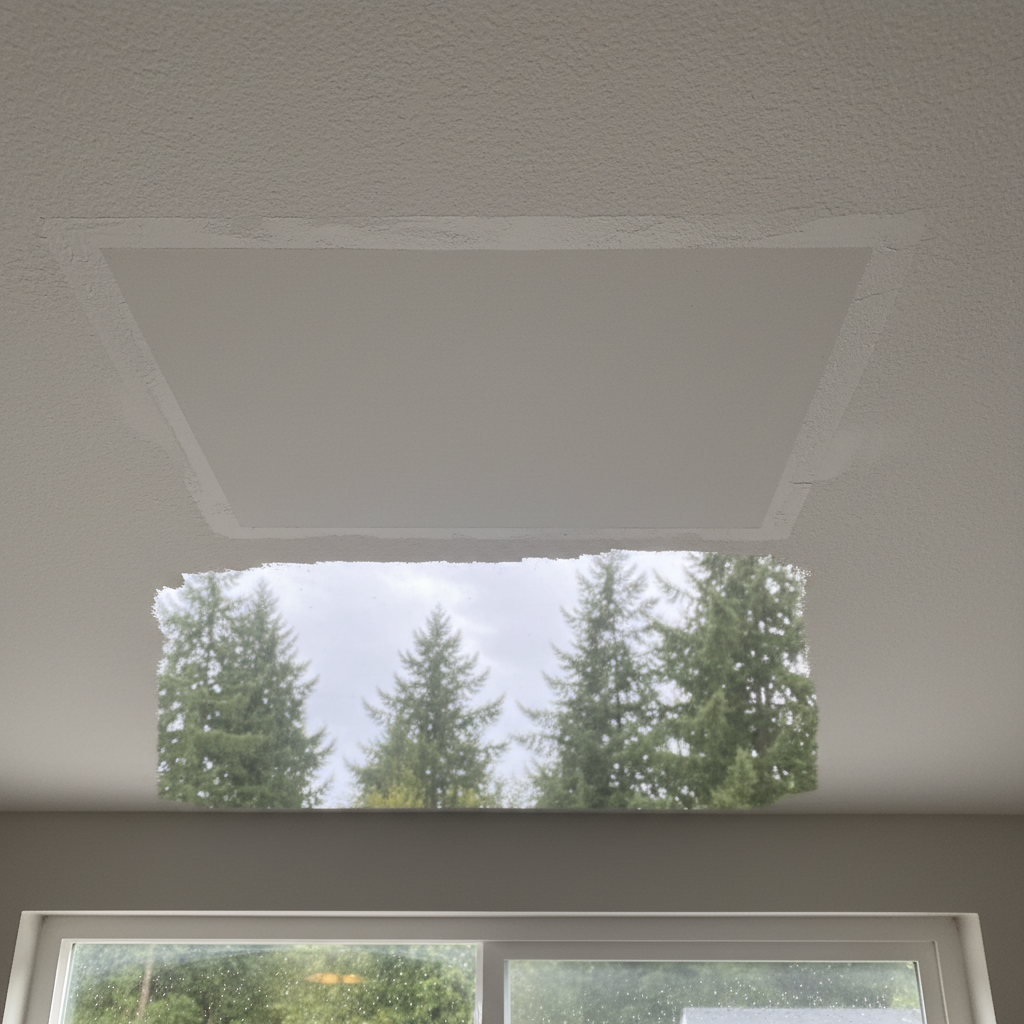
Water dripping through your ceiling never happens at a convenient time. If you live around Lacey, you already know how relentless our local autumn and winter rains can be on a compromised roof. When a leak shows up, panic usually follows right behind it. Over the years running White Harbor Restoration Inc, we have answered hundreds of frantic phone calls from homeowners trying to figure out what to do next. Let us walk through the most common questions people ask when they are dealing with roof leaks and the resulting water damage.
Why is my roof leaking in the exact same spot as last time?
That usually means whoever fixed it previously treated the symptom instead of the source. Water travels along rafters and underlayment before it finally drips onto your drywall, meaning the interior stain can be feet away from the actual roof breach. If you just slap sealant on a pipe boot or a valley without checking how water is flowing higher up the slope, it is going to find a way back in the next time Thurston County gets a heavy storm.
How can I tell if the roof decking is rotted out from a slow leak?
Sometimes you will not know until you get up into the attic with a flashlight. Look for dark stains on the plywood, warped sheathing, or a musty smell that lingers. From the outside, a spongy or sagging spot on the roofline is a dead giveaway that the structural wood underneath has turned to mush. If we pull back the shingles during a repair at White Harbor Restoration Inc and find soft decking, we have to cut it out and replace the plywood before doing anything else, or your new patch will not have anything solid to anchor to.
Should I fix the leak or just replace the whole roof?
It boils down to age, overall condition, and the extent of the failure. If your roof is less than ten years old and took wind damage or has a single compromised flashing point around a chimney, a targeted repair makes total sense. But if your architectural shingles are curling, losing granules by the handful, and the entire system is pushing past the fifteen-year mark, pouring money into patching leaks is throwing good cash after bad. You will end up chasing new leaks every season.
Will my homeowners insurance cover roof leak repairs?
Most standard policies cover sudden, accidental damage—like a large branch crashing through your roof during a windstorm. They almost never cover gradual wear and tear, age-related deterioration, or damage caused by skipped maintenance like heavy moss buildup. If you have got a slow leak that has been quietly rotting your attic for two years because the pipe boots dried out, insurance companies usually classify that as homeowner maintenance neglect.
How do you fix water-damaged drywall and insulation inside the house?
You cannot just paint over a ceiling water stain and call it good. Once drywall gets saturated, it loses its structural integrity and can harbor hidden mold spores, especially in our damp Pacific Northwest climate. We always cut out the ruined drywall section, inspect the wall cavity or ceiling framing, dry out the area completely, replace any soaked fiberglass or cellulose insulation, and then install fresh drywall tape and mud. Skipping the insulation check is asking for long-term air quality issues.
What are the most common leak spots on Lacey homes?
Roof penetrations cause most of the trouble we see. Rubber boots around plumbing vent stacks crack under UV exposure over the years. Step flashing around chimneys and skylights rusts or works loose. Roof valleys—where two different roof planes meet—collect a massive amount of rushing rainwater, and if the metal valley flashing was not installed with proper underlayment overlap, water sneaks right underneath.
Dealing with water intrusion is stressful, but getting straight answers helps take the guesswork out of the fix. Address small leaks quickly before they turn into major structural rebuilds, and always make sure you are getting to the root cause of where the water is getting in.